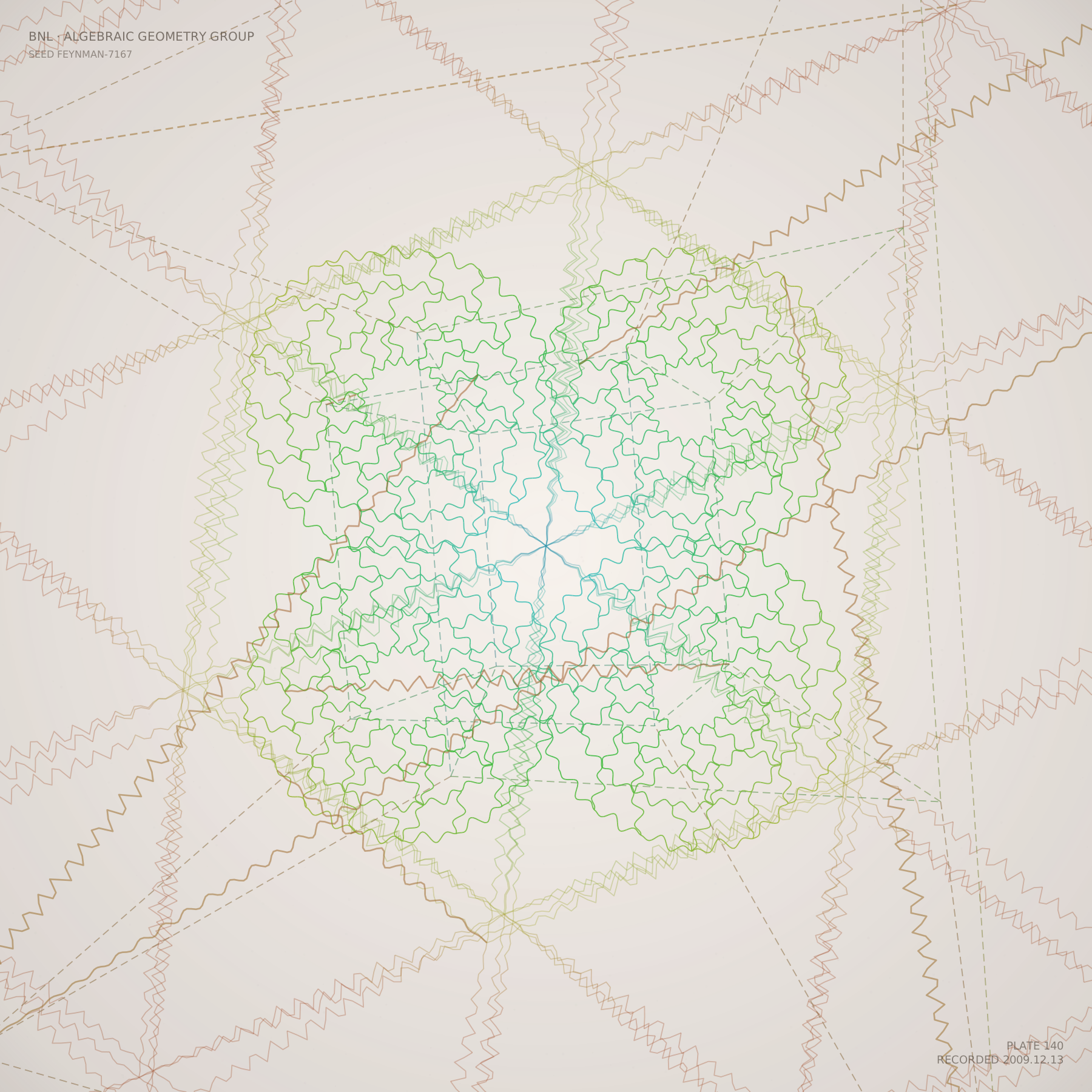
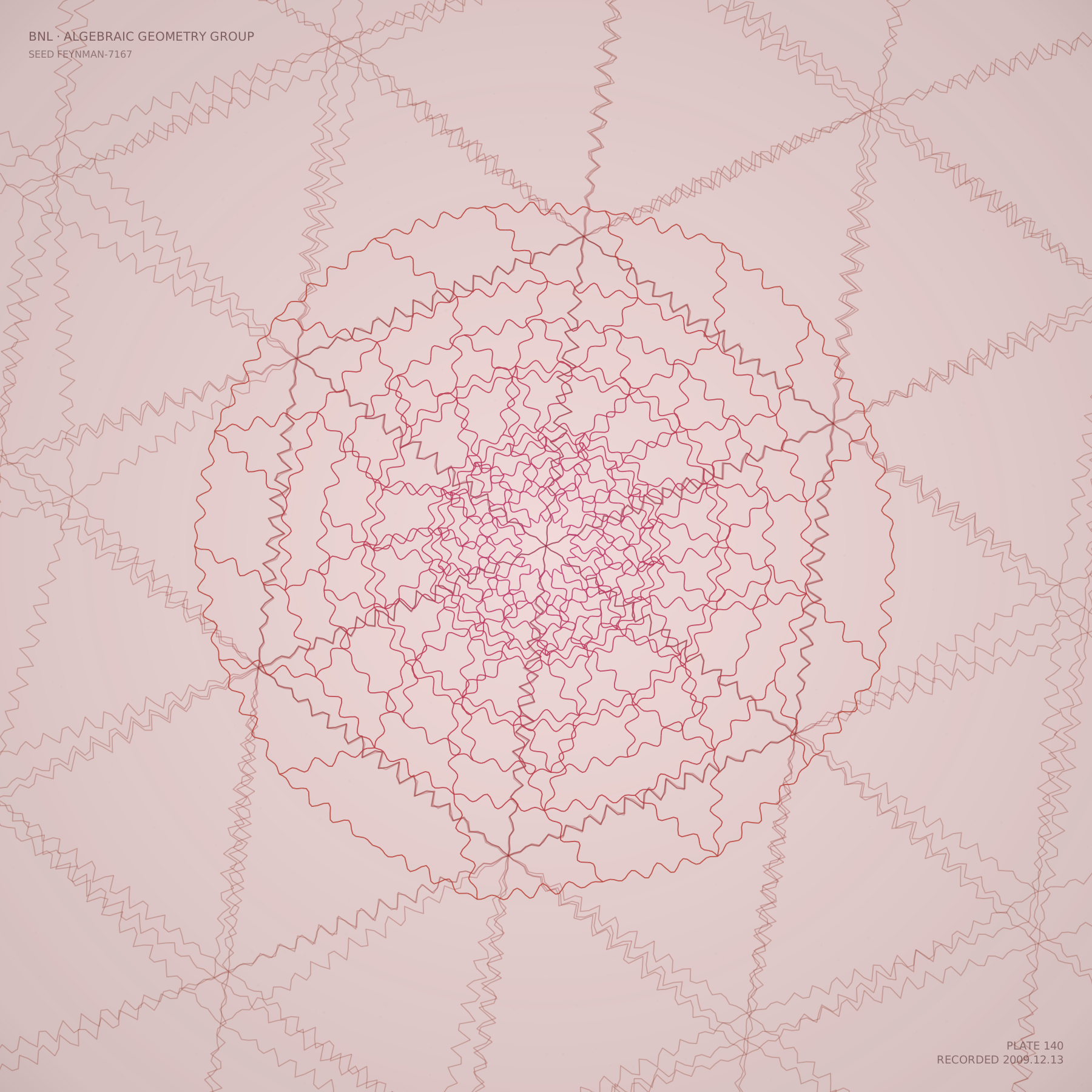
Two new mechanics exercised:
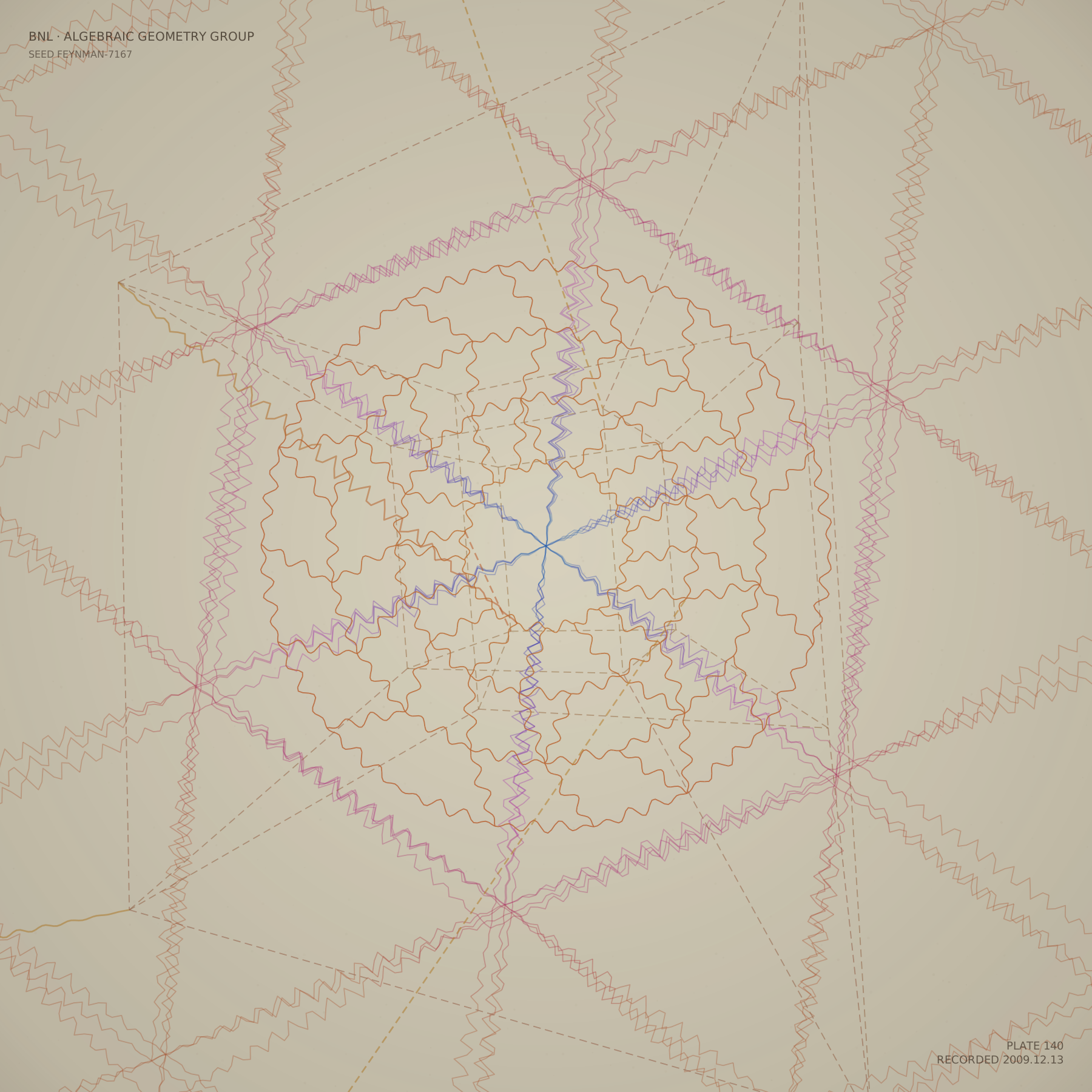
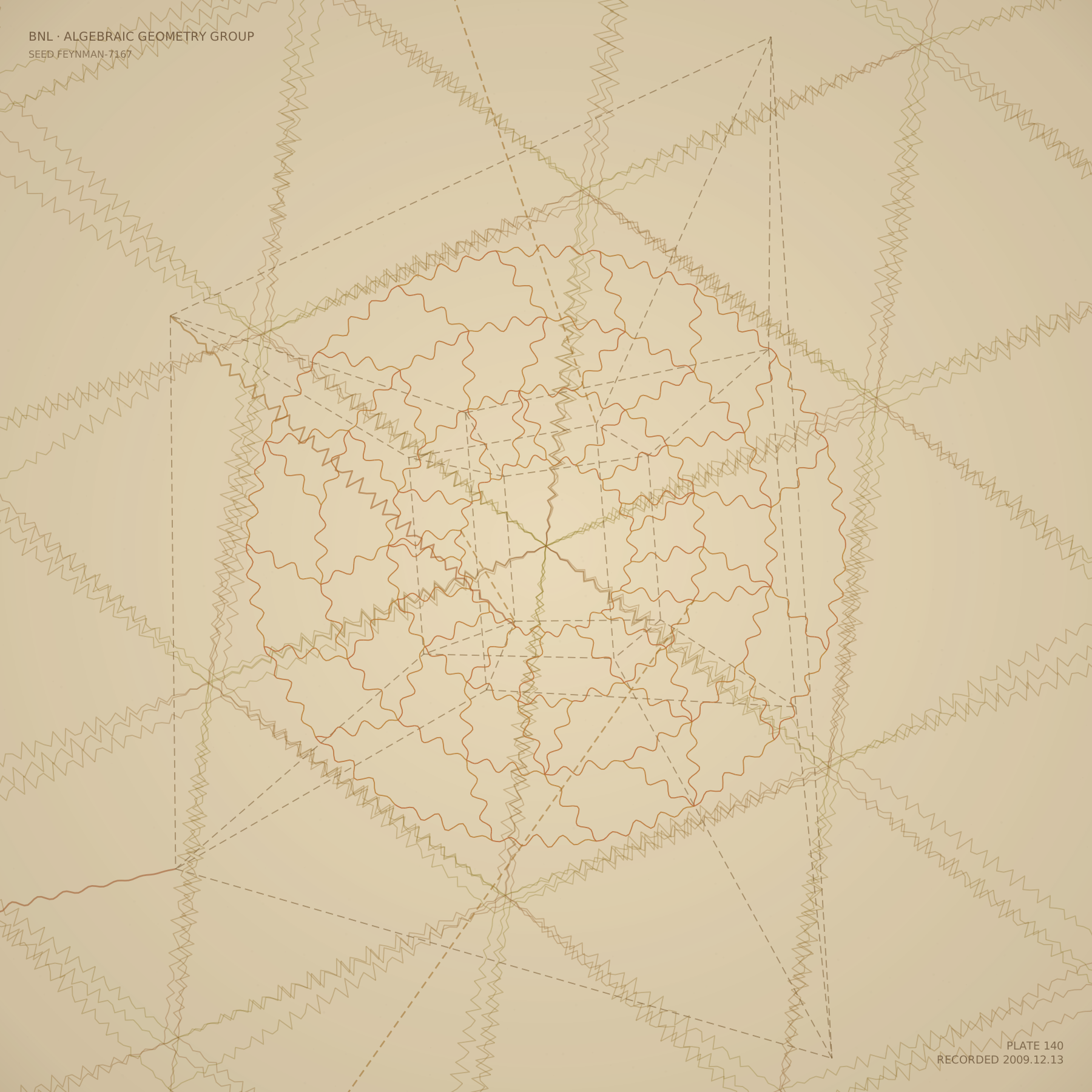
1. Dense cubic mesh (cubicN=2 → 125 vertices / ~300 edges) at low opacity (~0.30) — reads as fine atmospheric tessellation, not solid wallpaper. Photon waves at photonCyclesPerUnit=22+ for the "finer oscillating sub-grid" feel.
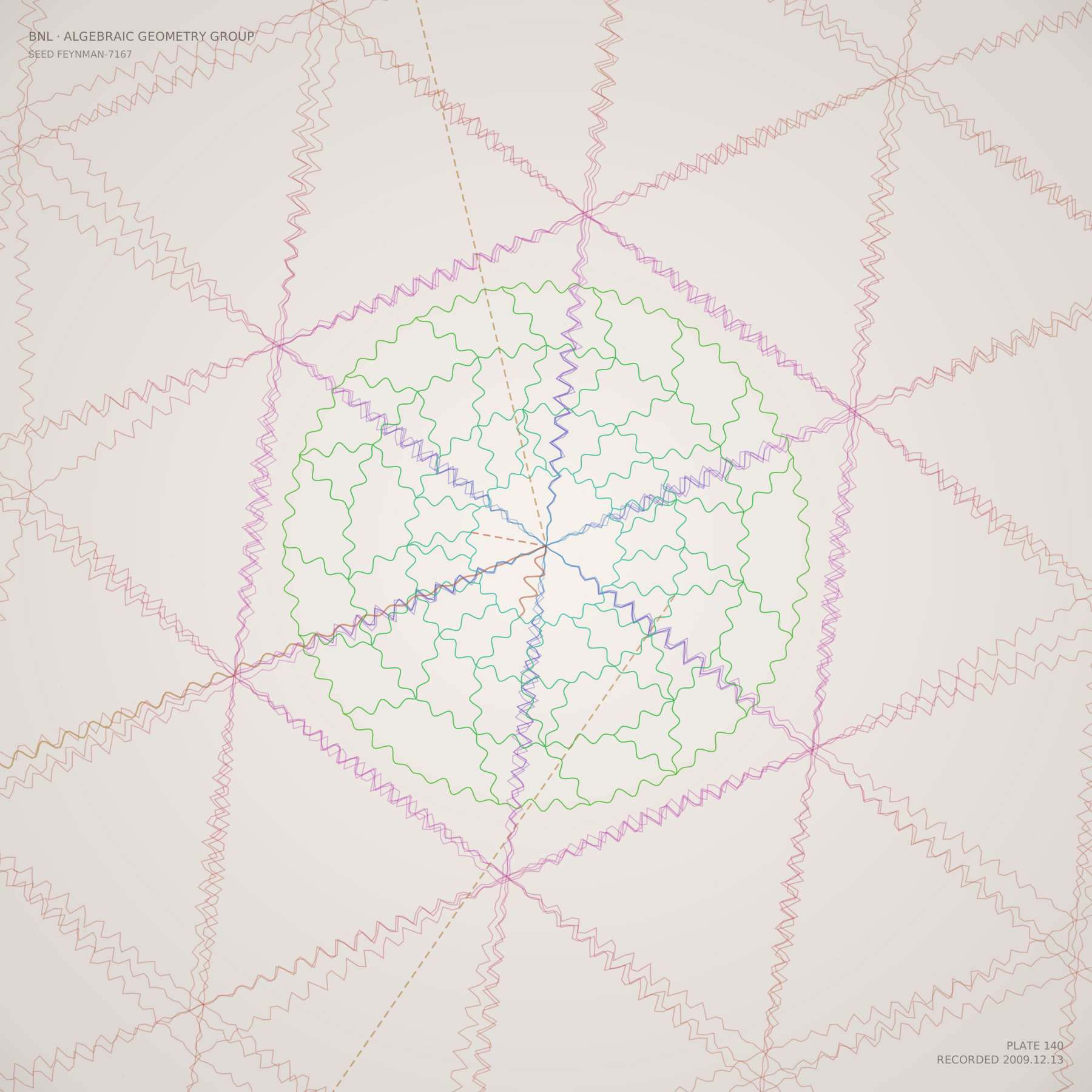
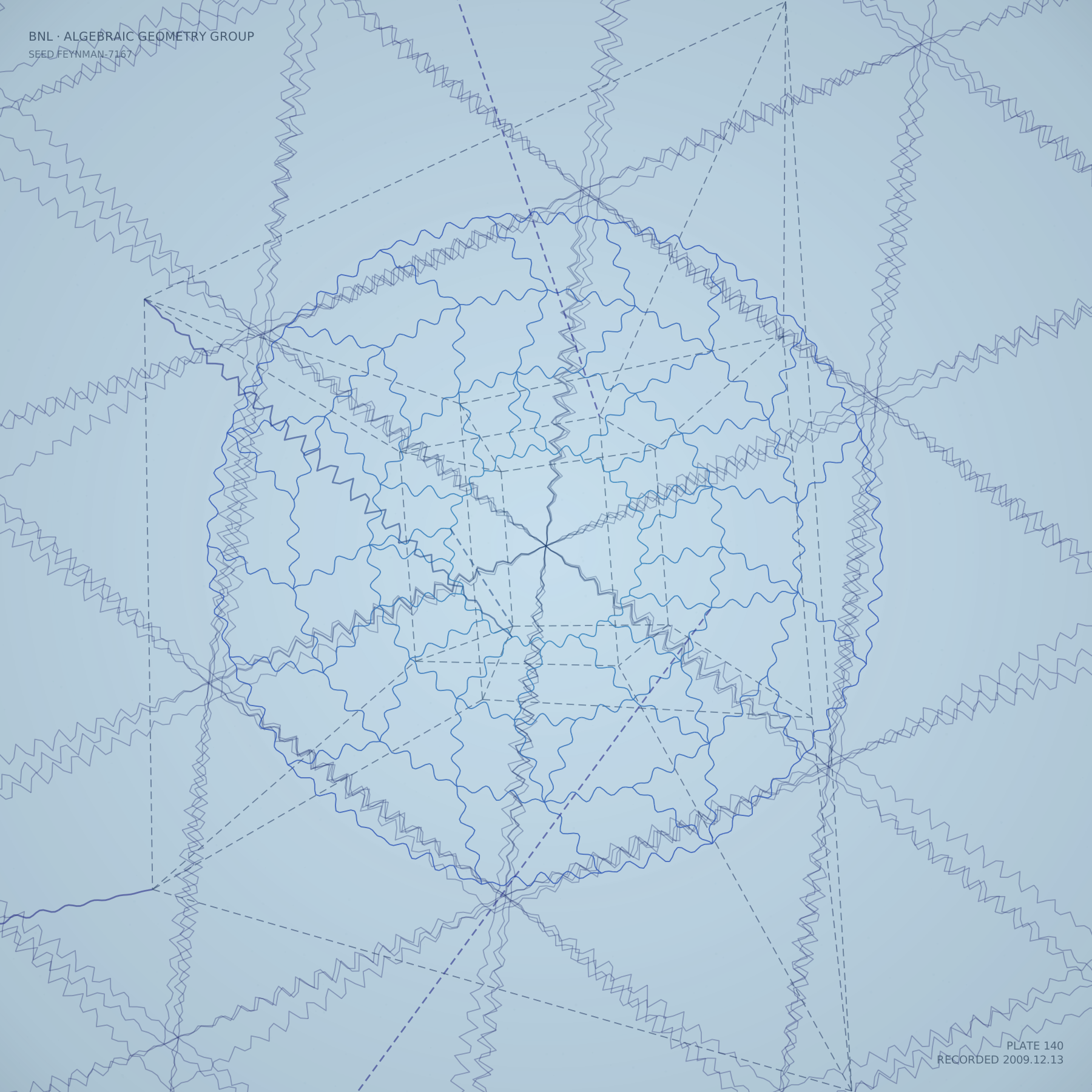
2. Large rosettes as the focal subject — E8 cluster scaled 0.55–0.95, solid saturated colour (lightness ~0.48, sat ~0.55), opacity ~0.85. The rosette becomes the picture; the cubic mesh is texture behind it.
Honest note: the first interpretation of "lighter than bg" rosettes didn't pop because lighter-than-light-paper is barely a difference. The solid-saturated-rosette + atmospheric-cubic combination is what made the mandala-style figures emerge.
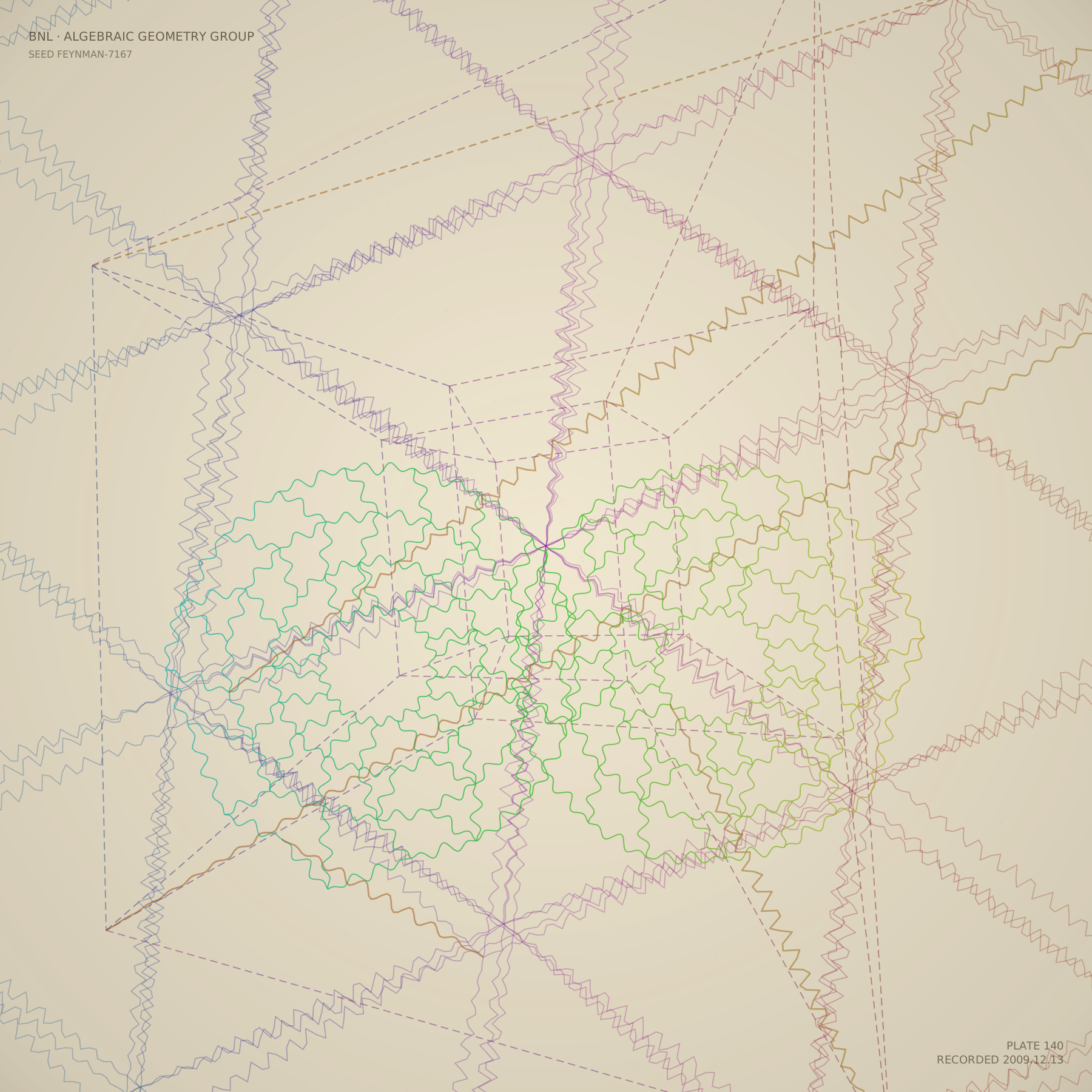
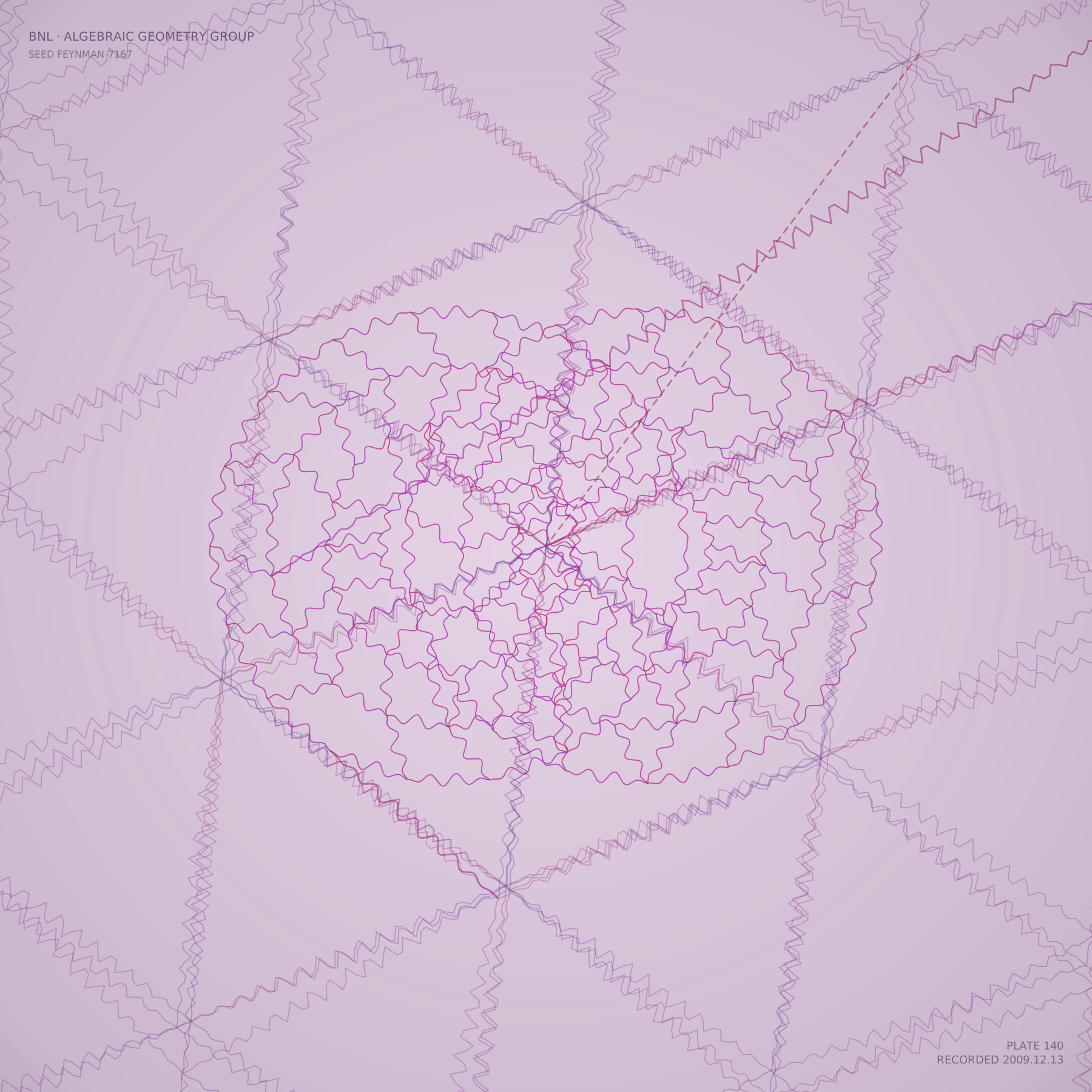
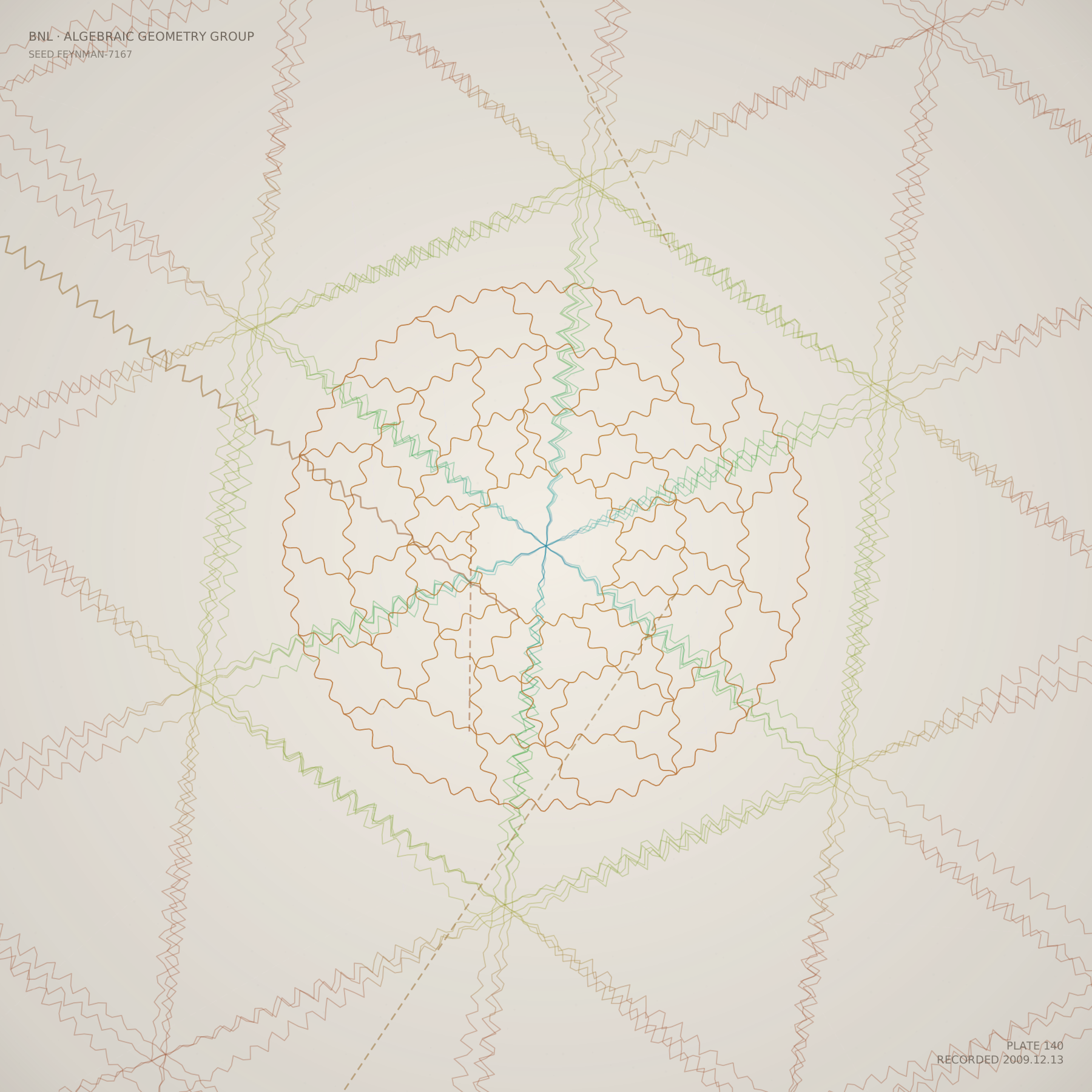
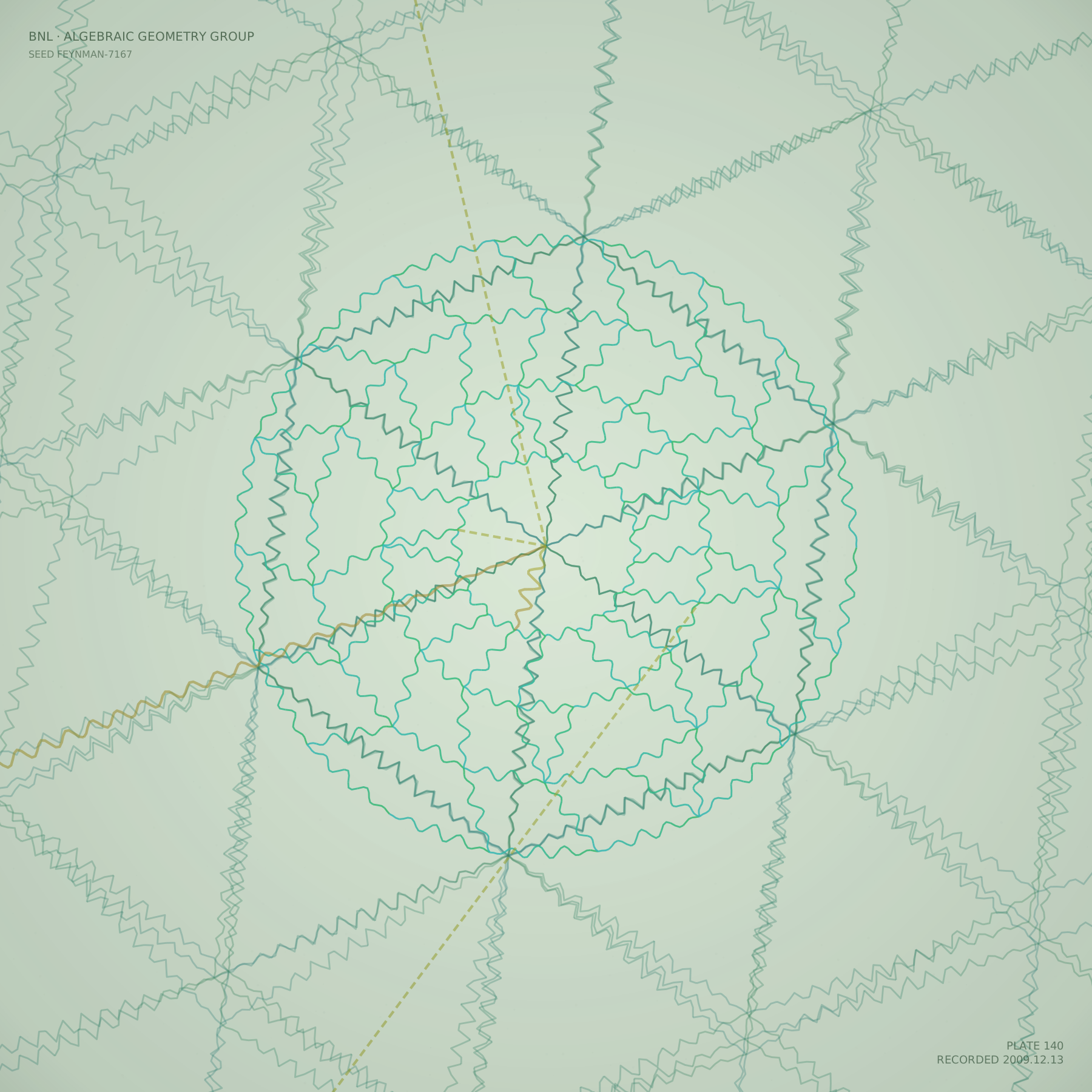
01 Spectral comb · pearlradial gradient · single large rosette with multi-hue petals02 Dense radial · creamcentral rosette in warm-to-cool radial spread03 Linear horizon · ivorytwin rosettes lower; linear-x hue shift across canvas04 Twin rosettes · pale mauve ★two overlapping pink-violet rosettes on lavender ground05 Finest waves · linenphotonCyclesPerUnit=30 — finest ripples; warm central rosette06 Big mandala · pale blue ★single 0.92-scale rosette as central quantum mandala07 Ghostly Schlegel · bone chinaghostly large schlegel overlay + central rosette08 Atmospheric · pale mintlarge soft rosette on pale-mint ground09 All-dense layered · pearl4 quarter-rosettes at corners + dense cubic everywhere10 Concentric rosettes · pale rose ★3 nested rosettes (large/medium/small) at centre — the strongest mandala